Call 303-388-6886Call us

IVDD in dogs: surgery isn't the only path

Rehabilitation for intervertebral disc disease in Colleyville, Texas, working alongside your veterinarian.

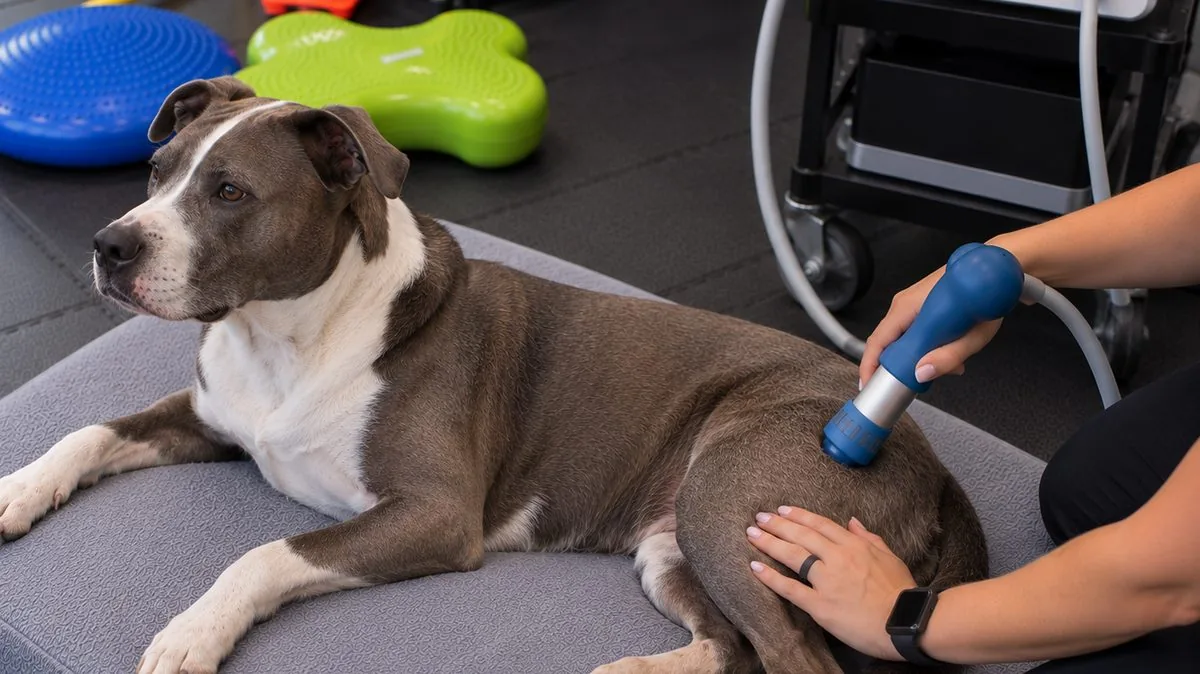
A black dog lying calmly on a towel while two practitioners apply a shockwave probe along the spine

If your dog has just been diagnosed with a disc problem, you have probably already been told about surgery, and probably been given a number that made your stomach drop.

Surgery is genuinely the right answer for some dogs. But it isn’t the only conversation worth having, and for a long time it was the only one being offered.

Call your veterinarian today if

Some disc problems are urgent. Please contact your veterinarian straight away if your dog cannot stand or walk, has suddenly lost the use of their back legs, has lost control of their bladder or bowels, or seems to be in severe pain.

Time matters a great deal in those cases. Rehabilitation has an important role, but it comes after your veterinarian has assessed your dog, never instead.

Call 303-388-6886

What IVDD actually is

The discs between the bones of the spine work as cushions. In intervertebral disc disease, a disc degenerates and can push against the spinal cord or the nerves leaving it.

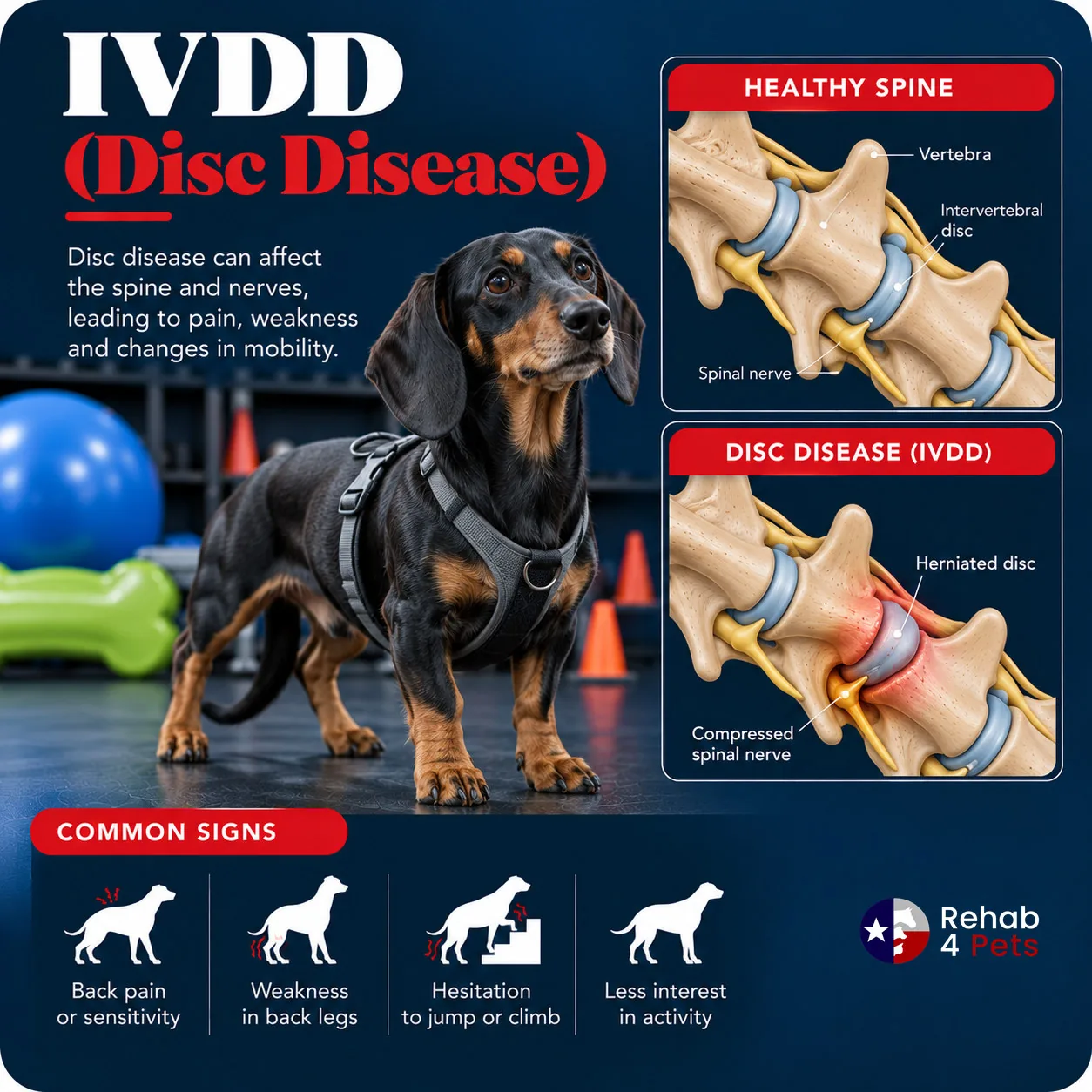
The upper panel shows a healthy spine — a disc cushioning the gap between two vertebrae, with the spinal nerve passing clear of it. In the lower one the disc has herniated and is pressing on that nerve. The pressure is what produces the signs you see at home, not the disc itself.

What that looks like depends entirely on where it happens and how much pressure there is. Some dogs are simply sore and reluctant to jump. Others go off their back legs quite suddenly.

Some breeds are far more prone to it than others, dachshunds, French bulldogs, beagles, corgis and other long-backed dogs especially. In those breeds it can appear in middle age rather than old age.

A dachshund beside a healthy canine spine and a herniated disc pressing on the spinal nerve.

What you might be seeing

  • Reluctance to jump onto furniture or into the car
  • Yelping when picked up, or when touched along the back
  • A hunched back, or a tucked-up posture
  • Walking stiffly, or with the head held low
  • Back legs that wobble, cross over, or drag
  • Trembling or panting that seems out of place
  • Suddenly unwilling to climb stairs they managed yesterday

Only your veterinarian can confirm whether a disc is involved. Imaging is usually needed to be certain.

Call 303-388-6886

What the research has shifted

For a long time the accepted teaching was that surgery was the only meaningful option for a disc problem.

That has changed. A 2021 study from the University of Cambridge examined conservative management, careful rest, pain control and structured rehabilitation instead of surgery, and found it can be a reasonable path for certain cases.

The important word there is certain.

This depends on which disc, how much pressure, how quickly it came on and whether your dog still has sensation in their legs. It is a decision to make with your veterinarian, case by case. Nobody should be talked out of surgery by a web page, including this one.

What has changed is that there is now a conversation to have, where previously there wasn’t one.
What conservative care involves

It is not “doing nothing.” It’s a structured program, and it asks something of you as well as your dog.

  • Strict rest, properly explained. The hardest and most important part. We’ll show you what confinement should actually look like and how long it needs to last.
  • Pain management alongside your veterinarian. A comfortable dog rests properly; a sore one doesn’t.
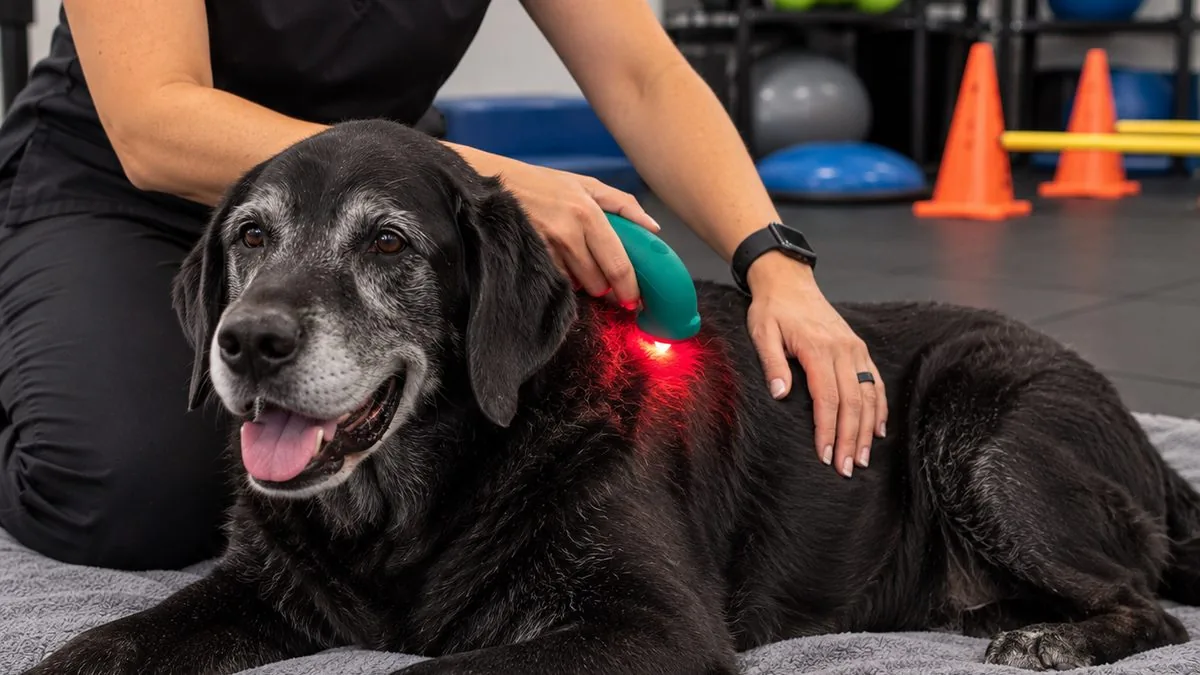
  • Laser and shockwave therapy. Drug-free approaches to inflammation and discomfort around the affected area.
  • Careful re-introduction of movement. Timing matters enormously here, which is why it’s guided rather than left to instinct.
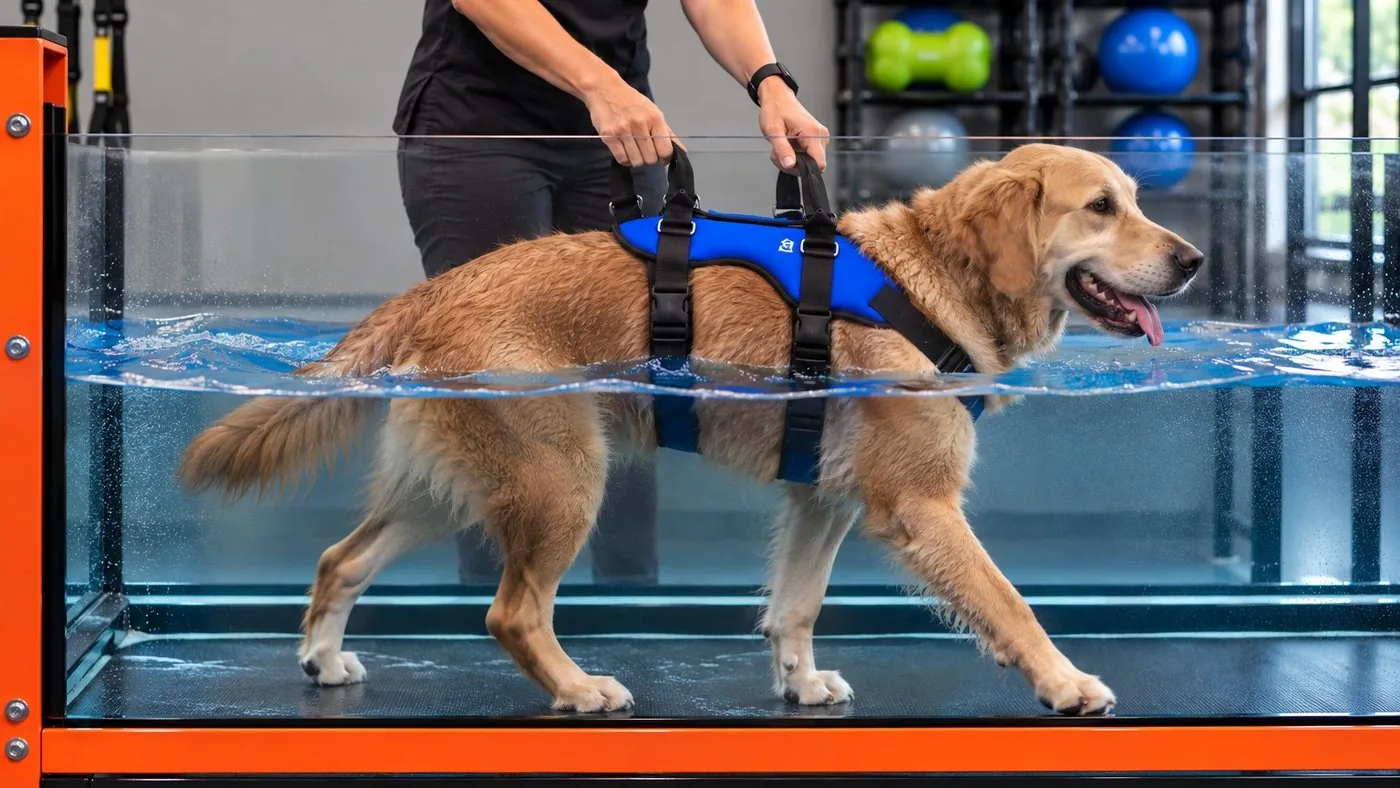
  • Water treadmill work, when the time is right. The water carries much of your dog’s weight, so they can rebuild strength before the spine is ready to take the load on land.
  • Core strengthening. Weak core muscles leave the spine doing work it shouldn’t. Building that back is much of how a second episode is made less likely.

Call 303-388-6886

Rehabilitation after disc surgery

If your dog has already had surgery, rehabilitation still has a great deal to offer. The operation addresses the pressure on the cord; it doesn’t rebuild what was lost while your dog was struggling.

Post-operative work usually focuses on rebuilding muscle, restoring coordination, and helping a dog learn to trust their back legs again, which often takes longer than the physical healing does.

We work from your surgeon’s instructions, not around them.

Something to do at home today

Block the furniture and put away the stairs

Every jump down from a couch is a compression through the spine. For a long-backed breed, a ramp or a set of pet steps is one of the more useful things you can buy.

Switch to a harness

A collar puts pressure through the neck, and neck discs are involved more often than most Pet Parents realize.

Call 303-388-6886

Questions

Questions we get asked

Does IVDD in dogs always need surgery?

No. Surgery is the right answer for some dogs, but a 2021 study from the University of Cambridge examined conservative management, careful rest, pain control and structured rehabilitation instead of surgery, and found it can be a reasonable path for certain cases. Which disc is involved, how much pressure there is, how quickly it came on and whether the dog still has sensation in their legs all matter. It is a decision to make with your veterinarian, case by case.

What does IVDD look like in a dog?

Common signs include reluctance to jump onto furniture or into the car, yelping when picked up or touched along the back, a hunched or tucked-up posture, walking stiffly or with the head held low, back legs that wobble, cross over or drag, trembling or panting that seems out of place, and sudden unwillingness to climb stairs. Imaging is usually needed to confirm a disc is involved.

When is IVDD an emergency?

Contact a veterinarian straight away if the dog cannot stand or walk, has suddenly lost the use of their back legs, has lost control of their bladder or bowels, or seems to be in severe pain. Time matters a great deal in those cases.

Which dog breeds get IVDD?

Dachshunds, French bulldogs, beagles, corgis and other long-backed breeds are far more prone to it. In those breeds it can appear in middle age rather than old age.

What does conservative care for IVDD involve?

Strict rest properly explained, pain management alongside your veterinarian, laser and shockwave therapy for inflammation and discomfort, careful timed re-introduction of movement, water treadmill work once the time is right so the dog can rebuild strength before the spine takes full load on land, and core strengthening to make a second episode less likely.

Treatments

How we may help

See all treatments

Where to start

Speak to your veterinarian first, especially if any of the urgent signs above apply.

Call 303-388-6886