Myofascial techniques in veterinary rehabilitation: a review
For Veterinary Professionals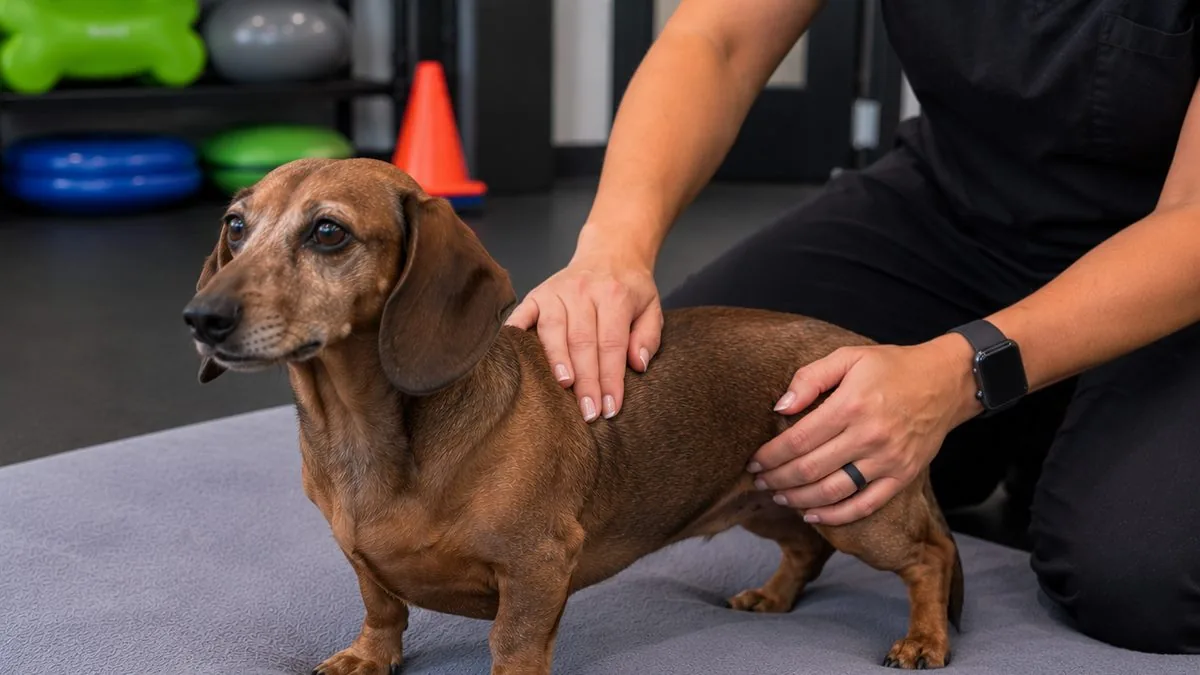
Myofascial techniques have earned real recognition in human rehabilitation, both for treating musculoskeletal problems and for general wellbeing. Their application in veterinary medicine is less settled, and worth looking at properly.
Why it matters in veterinary rehabilitation
Rehabilitation exists to restore mobility and relieve pain. Conventional physical therapy does a great deal of that work. Myofascial techniques extend what is available, particularly in the cases that do not resolve on a standard protocol.
How myofascial techniques work
Three pathways, running together:
- Mechanical, breaking down adhesions, scar tissue and fascial restriction
- Neurological, stimulating mechanoreceptors, which changes how the tissue is being held
- Biochemical, promoting circulation through the treated area
Where the benefit shows up
- Pain management, in both acute and chronic presentations
- Mobility and function, where restriction rather than structure is the limiting factor
- Injury prevention and performance, particularly in working and sporting dogs
- Stress reduction, with behavioral benefits that are easy to underrate
The approaches
- Soft tissue mobilization, hands-on techniques such as effleurage, kneading and skin rolling to improve tissue extensibility and circulation
- Myofascial release, sustained low-load pressure or stretch held until the tissue softens, aimed at fascial restriction rather than the muscle belly
- Trigger point therapy, locating taut bands and hyperirritable points and applying sustained compression until local tenderness eases
- Instrument-assisted techniques, tools used to apply shear across the tissue, useful over larger areas or where hand pressure is hard to sustain
- Myofascial dry needling, fine filament needles placed into trigger points to provoke a local twitch response, which needs specific training to do safely
Choosing a technique
The choice depends on the patient as much as the tissue. A nervous dog may tolerate slow, sustained release far better than needling. A large working dog with broad areas of restriction may suit instrument-assisted work. Trigger point therapy suits a patient with clear, palpable bands. Most plans use more than one, and all of them work better followed by active exercise that uses the range just gained. The patient's response at each session should guide what comes next.
Where this leaves practice
The case for integrating these techniques is good, and getting better. What it still needs is the discipline the rest of rehabilitation is held to: evidence-based practice, honest reporting of what did not work, and interdisciplinary collaboration rather than territory.
In practice that means recording a baseline before starting, such as a gait assessment, range of motion, a pain score and the Pet Parent's own observations, and reassessing at set points. It also means referring on when a patient is not responding, rather than adding more sessions to a plan that is not working.
If you have a patient you think could benefit, you can refer them through our vet referral form.
Related reading: The place of myofascial treatment in canine chronic pain · Assessing stiffness: muscle, soft tissue or joint capsule?
Questions colleagues ask
Is there good evidence for myofascial techniques in dogs?
There is some, and it is growing, but much of it is small studies or borrowed from human rehabilitation. It is reasonable to use these techniques as part of a plan while being honest about the limits of the evidence.
Are myofascial techniques safe for every patient?
Not without assessment. Areas of infection, fractures, tumors, unstable joints and acute inflammation are reasons to hold off or modify, and needling in particular needs training.
How do they fit with exercise therapy?
Hands-on work opens a window of better movement. Exercise is what keeps it, so the two belong together.