
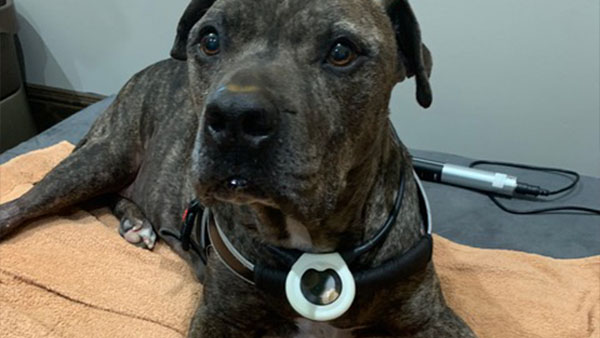
Targeted Pulsed Electromagnetic Field therapy (tPEMF) delivers focused, pulsed electromagnetic signals designed to modulate cellular activity, reduce local inflammation, and support tissue repair. In veterinary practice, tPEMF is being used as an adjunct for osteoarthritis, post-operative recovery, soft tissue healing and some fracture/non-union indications.
How it works – the clinical mechanism (brief)
tPEMF appears to act on multiple biological pathways: modulation of inflammatory signaling, influence on cellular calcium flux and growth-factor expression, and stimulation of bone- and soft-tissue repair processes. These effects can reduce pain and swelling and support healing when used alongside surgical or conservative care. Reviews of animal and human literature report consistent biological plausibility across models.
Evidence summary (key points for the referring clinician)
- Systematic and narrative reviews indicate PEMF modalities have positive effects on bone healing, wound healing, and reduction of inflammatory markers in animal models. The modality has been used clinically for fracture non-unions and post-operative support.
- Clinical veterinary studies report improved wound scores and reduced owner-administered analgesics after PEMF in post-operative spinal cases, and positive functional outcomes in dogs with osteoarthritis in randomized or controlled settings. While study sizes vary, the preponderance of evidence supports PEMF as a useful adjunct in specific indications.
- Device characteristics (frequency, field strength, pulsing pattern) and dosing matter. Outcomes are not uniform across every protocol, so device-specific evidence and proper dosing regimens should guide therapy choices.

Indications – when to consider referring to Rehab 4 Pets
- Post-operative support to reduce inflammation, pain and wound-healing time (e.g., hemilaminectomy, orthopedic procedures).
- Chronic osteoarthritis where adjunct, drug-sparing options are desirable.
- Cases with delayed bone healing or non-unions as an adjunct to standard orthopedic care (consult with surgery team).
- Problem wounds or soft-tissue injuries where reducing edema and promoting tissue repair is clinically indicated.
Typical referral criteria (practical)
Refer when:
- The primary clinician wants a non-invasive, adjunctive option to reduce pain/inflammation or support healing.
- The patient’s pain is limiting rehabilitation progress (targeted adjunct to manual therapy, laser, ESWT, hydrotherapy).
- Post-op management where early reduction in analgesic requirement or improved wound scores is desired – especially when owners prefer reduced systemic drugs.
Suggested protocol (example framework – adjust per case/device)
- Initial plan: 10–15 minute tPEMF sessions, 2–3× per week for 2–4 weeks, reassess functional progress and pain scores.
- Maintenance / chronic OA: once-weekly sessions for 4–8 weeks then taper to periodic sessions based on clinical benefit.
(Note: exact dosing and frequency should follow device manufacturer guidance and evidence-based protocols; Rehab 4 Pets documents device parameters used for each case.)
Contraindications & precautions
- Implanted electronic devices (e.g., pacemakers) – consult cardiology/owner history.
- Pregnant animals – caution; follow device manufacturer guidance.
- Active neoplasia at the treatment site – use clinical judgment and consult oncology.
- Open owner-managed wounds without veterinary oversight – ensure primary clinician approval.
Always document baseline analgesic usage and establish objective outcome measures (gait scores, validated pain scales, range of motion) before starting therapy.
Example (de-identified) case summary – illustrative
Signalment: 9-yr-old Labrador retriever, bilateral coxofemoral OA, partial response to NSAIDs but limited exercise tolerance.
Intervention at Rehab 4 Pets: multimodal program including targeted tPEMF (twice weekly × 4 weeks), therapeutic exercises, and manual therapy.
Outcome summary: owner-reported improvement in activity tolerance and decreased night-time stiffness; objective gait score improved at 6 weeks and NSAID dose tapered under primary clinician supervision. (Illustrative summary compiled from clinical practice patterns; individual results vary.)
How we measure outcomes
We track validated pain indices, objective gait analysis (when possible), ROM, and owner questionnaires. We report these back to referring clinicians as requested and can share de-identified case metrics for collaborative care.
Bottom line for clinicians
tPEMF is a non-invasive, evidence-supported adjunct for several veterinary clinical scenarios – especially post-operative support, osteoarthritis and wound/bone healing. When integrated into a multimodal rehabilitation program, it can reduce inflammation, support tissue repair and help patients progress faster in their rehab plans. Collaboration between the referring clinician and Rehab 4 Pets ensures optimal dosing, monitoring and safe tapering of systemic medications.
How to refer / co-manage
Author:
Dr. Michele Broadhurst, DC, CCSP, FIAMA, CCRP, CAC, IVCA
DVM – Rehab 4 Pets (Clinical Director)