
TECAR Therapy (Transfer of Energy Capacitive and Resistive) is a form of therapeutic radiofrequency (RF) diathermy used in human and veterinary rehabilitation. It uses high-frequency electromagnetic waves (usually 300 kHz to 1 MHz) to gently heat tissues below the skin surface. Two modes are used: capacitive (CET) for soft tissues (muscles with high water content) and resistive (RET) for deeper, denser tissues (ligaments, joints). The controlled deep heating increases blood flow and lymph drainage, promoting faster cellular repair and reduced inflammation.
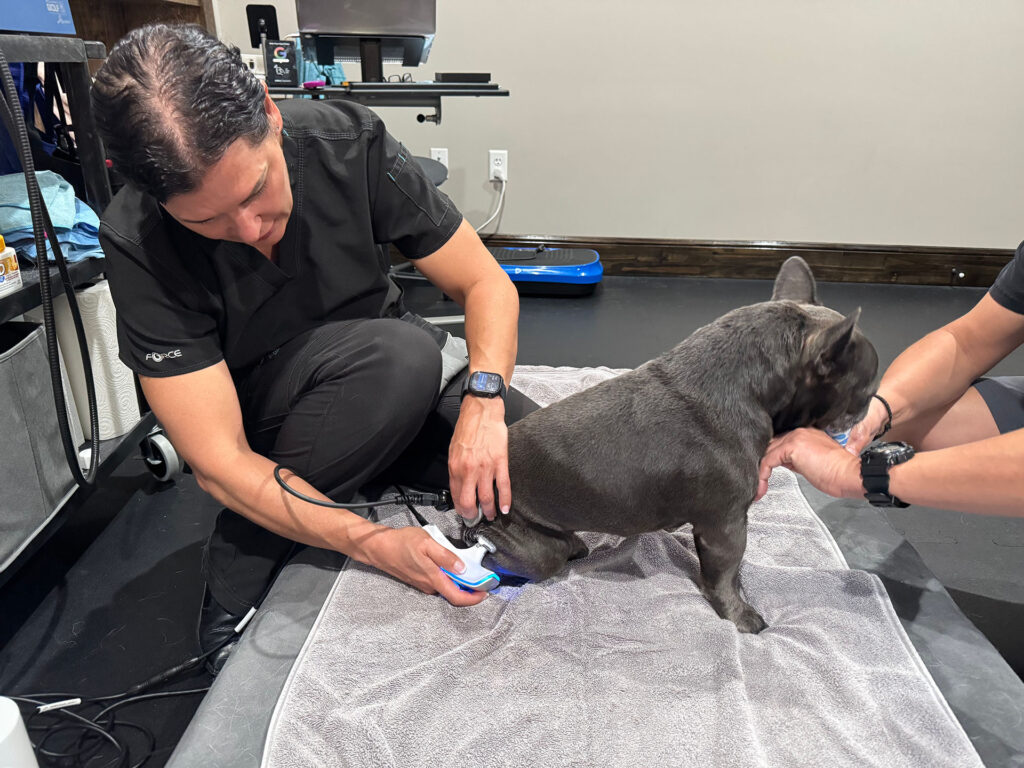
In practical terms, TECAR can help accelerate healing of certain conditions. For example, it may improve recovery from tendon or ligament injuries, arthritic joint inflammation, and chronic muscle tightness. Case reports in animals suggest that TECAR can reduce pain and enhance function, similar to shortwave diathermy techniques used in physiotherapy. Sessions typically last 10–20 minutes. The pet remains awake, with a conductive gel applied to the skin and a hand-held electrode slowly moved over the treatment area.
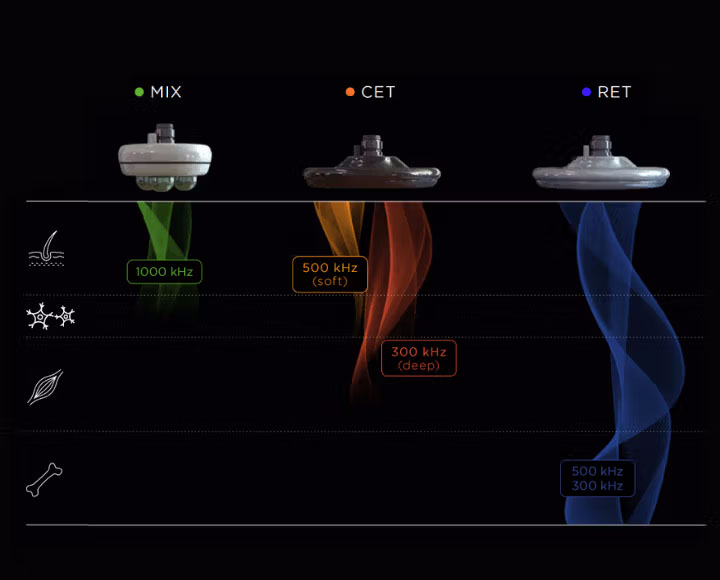
Conditions: Indications include osteoarthritis, soft tissue injuries, and as an adjunct in post-op rehab. It is often used when increased tissue temperature and circulation are desired to complement exercises.
Benefits: Deep thermal effects can make stretching and exercise more effective afterward, as warmed tissues stretch better. Some clinicians observe scar tissue softening over repeated treatments.
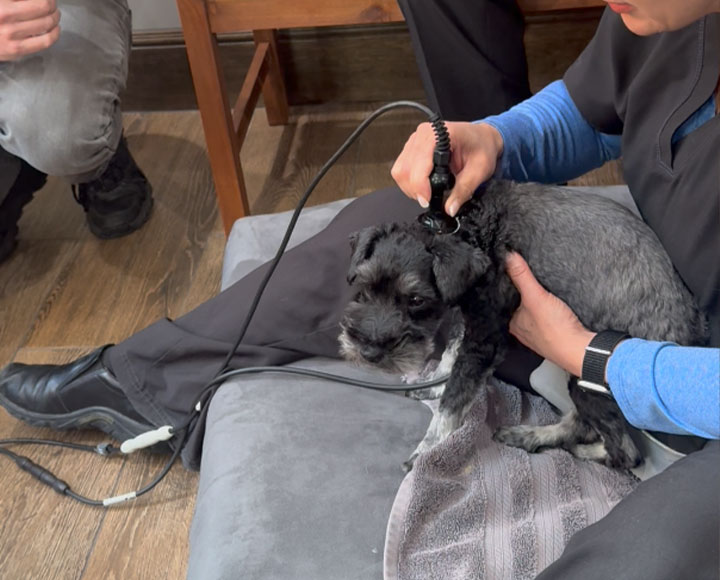
Research on TECAR in veterinary medicine is still emerging, so we use it cautiously alongside proven therapies. In the Dallas-Fort Worth rehab setting, our therapists may add TECAR to a plan if, for example, a dog’s knee is stiff from chronic arthritis.
Refer your patient: If you have a pet patient with persistent musculoskeletal pain not fully resolved by other means, consider TECAR therapy as part of their referral plan. Rehab 4 Pets professionals are trained in TECAR application. To refer a patient for TECAR or any rehab therapy, please use our vet referral form.
Author:
Dr. Michele Broadhurst, DC, CCSP, FIAMA, CCRP, CAC, IVCA
DVM – Rehab 4 Pets (Clinical Director)